Laser markers – Laser marking machines from BORRIES
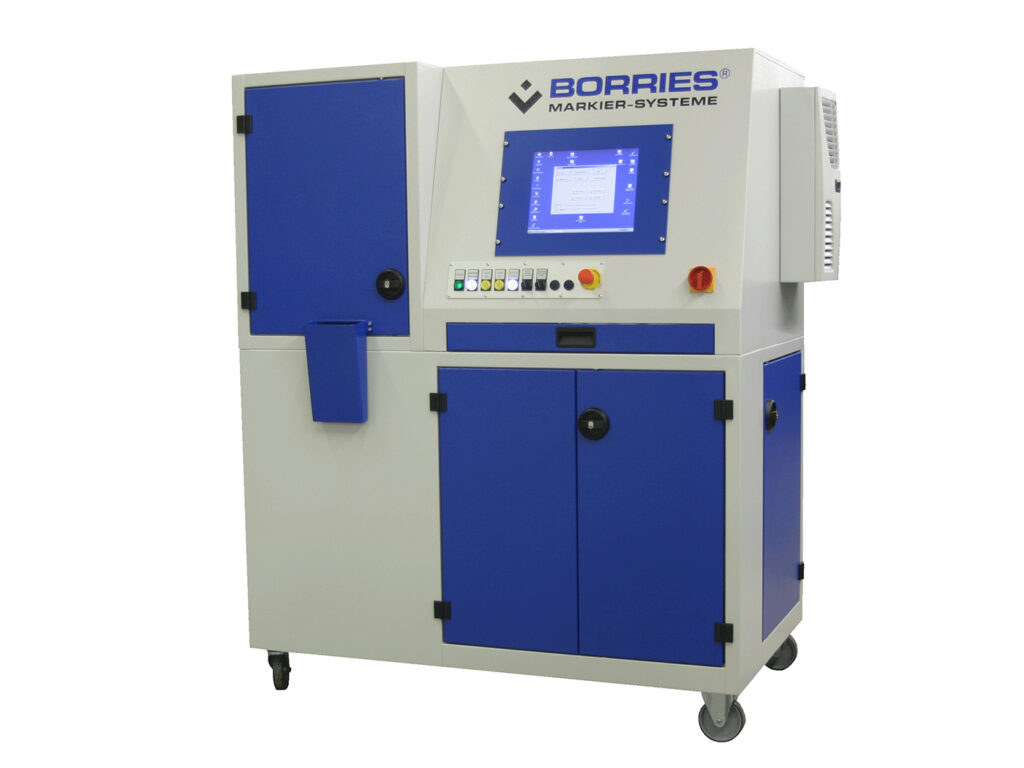
Since 1970 we have been building laser marking systems for industrial applications. Three years ago, we systematically expanded on our many years of experience with our laser marking technology, designed for industrial use and flexible integration into manufacturing processes. Your solution for the permanent marking of workpieces and materials.
The BORRIES BLM OEM provides you with a compact laser attachment or integration unit. It can be:
- integrated directly into existing systems as an OEM laser,
- used as a stand-alone solution
- or be part of a complete solution including fixtures and safety technology.
Our laser marking systems offer a suitable solution for almost all materials and areas of application. Various codes (such as barcodes, DataMatrix or QR codes) and characters can be marked on materials such as aluminium, steel, plastic, castings and foils. The laser beam is directed across the workpiece via a mirror system and is precisely controlled to mark numbers, letters, graphics, and barcodes. For marking components, metal plates, films, and much more.
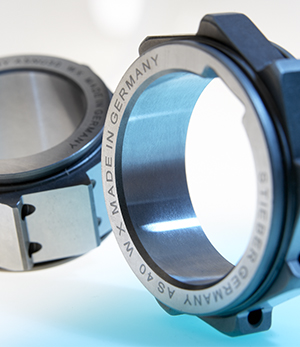
Application-oriented laser marking – safe and compliant with standards
The selection of the optimal system is always application-specific—taking into account material properties, cycle time requirements, and budget constraints.
All systems meet the requirements of functional safety and are designed in accordance withEN ISO 13849. Integrated, certified safety concepts guarantee performance level PLe, category 4, thus ensuring maximum system and operator safety.
The laser system is designed for process-reliable integration. Common industrial interfaces – such as Ethernet or Profinet – as well as a fieldbus connection to the PLC enable reliable communication with the higher-level control system.
The necessary safety technology for industrial use is taken into account from the outset and designed in such a way that the laser can be easily integrated into the customer’s existing safety concept. As is usual with OEM solutions, overall responsibility for system safety remains with the system manufacturer or operator.
We offer optional application-specific protection solutions, such as interchangeable protective tubes that come into contact with components and specifically isolate the laser beam from the environment during marking. These solutions facilitate integration into existing system layouts and safety concepts.
Also available as a complete, turnkey laser system
In addition to our OEM lasers, we also implement complete marking workstations or system solutions on request – for customers who need a turnkey marking solution rather than a pure integration unit. Our laser marking system complies with Laser Class 1 thanks to special safety measures in accordance with current guidelines and standards. This includes a safe marking process, in which the workpiece is automatically positioned and secured by a safety guard during the marking process. Any gases and dust produced are extracted.
Our goal is not just to provide a laser, but to work with you to develop a technically sound and future-proof marking process.
Talk to us if you want to integrate a well-designed laser marking solution into your process.
Need an individual solution?
Please feel free to contact us at any time for individual solutions!

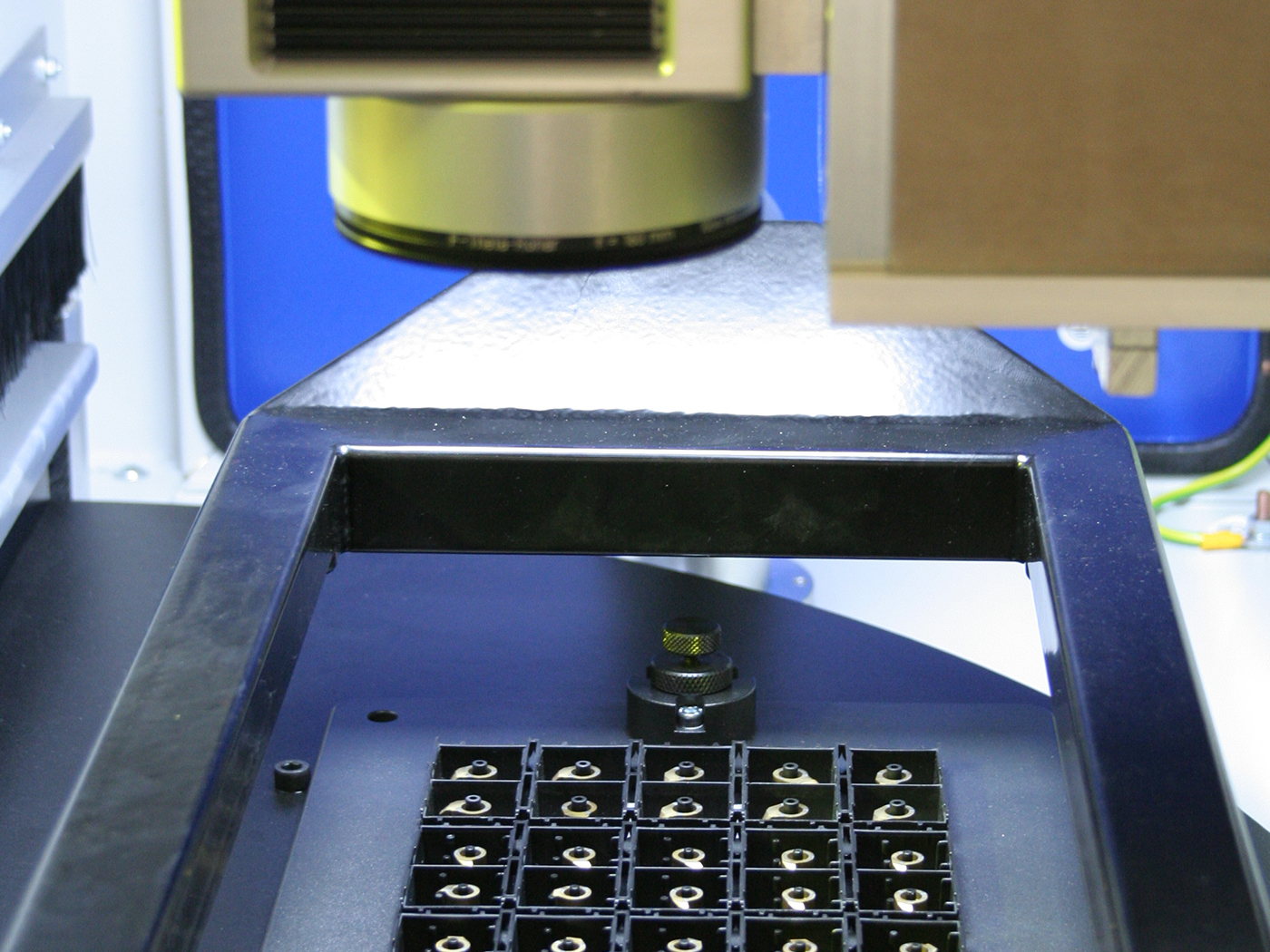
Example of the BLM OEM in use as a laser marking system for foil labels
In this case study, we present the laser marker for foil labels used by a customer in the automotive industry:
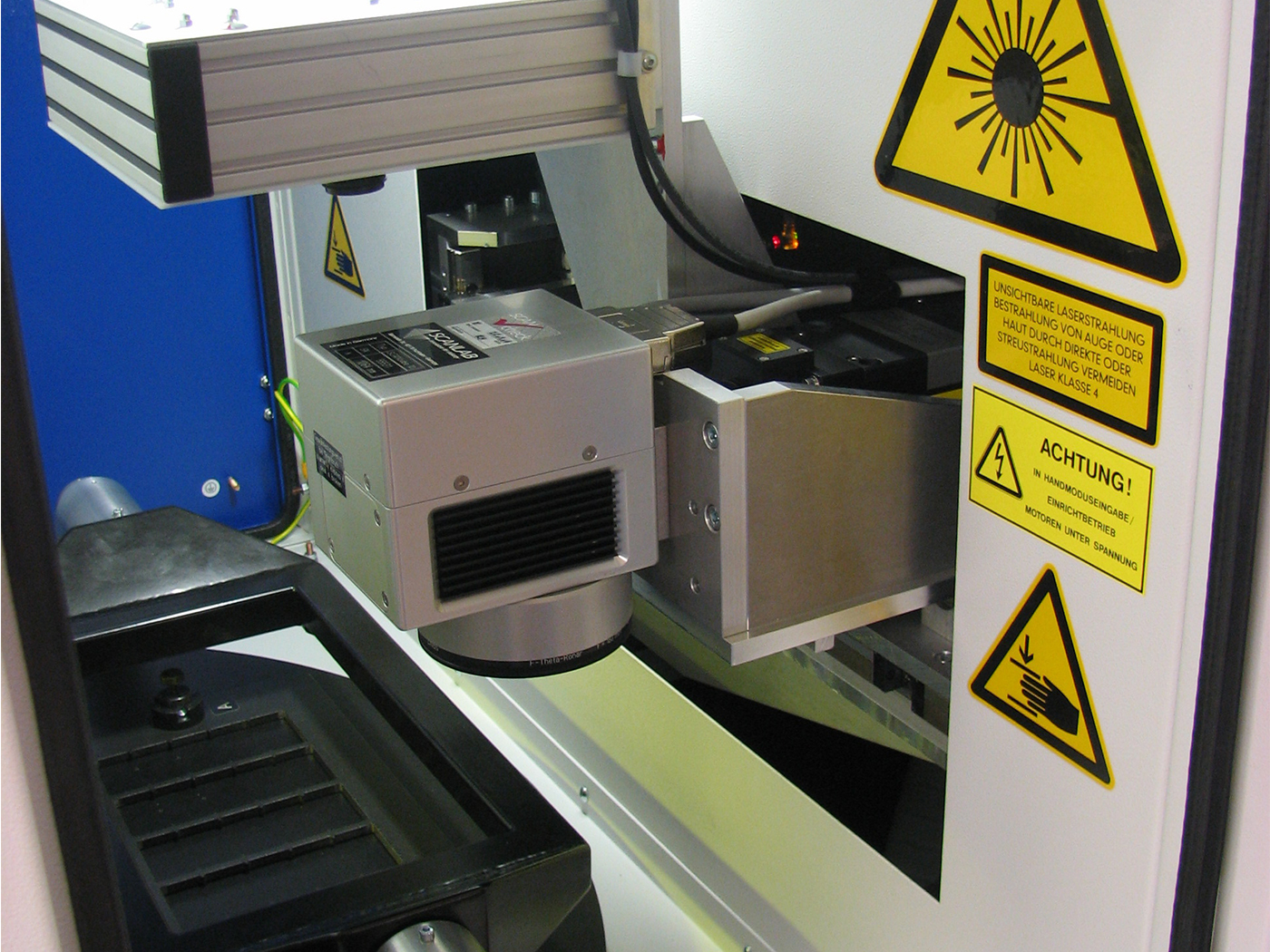
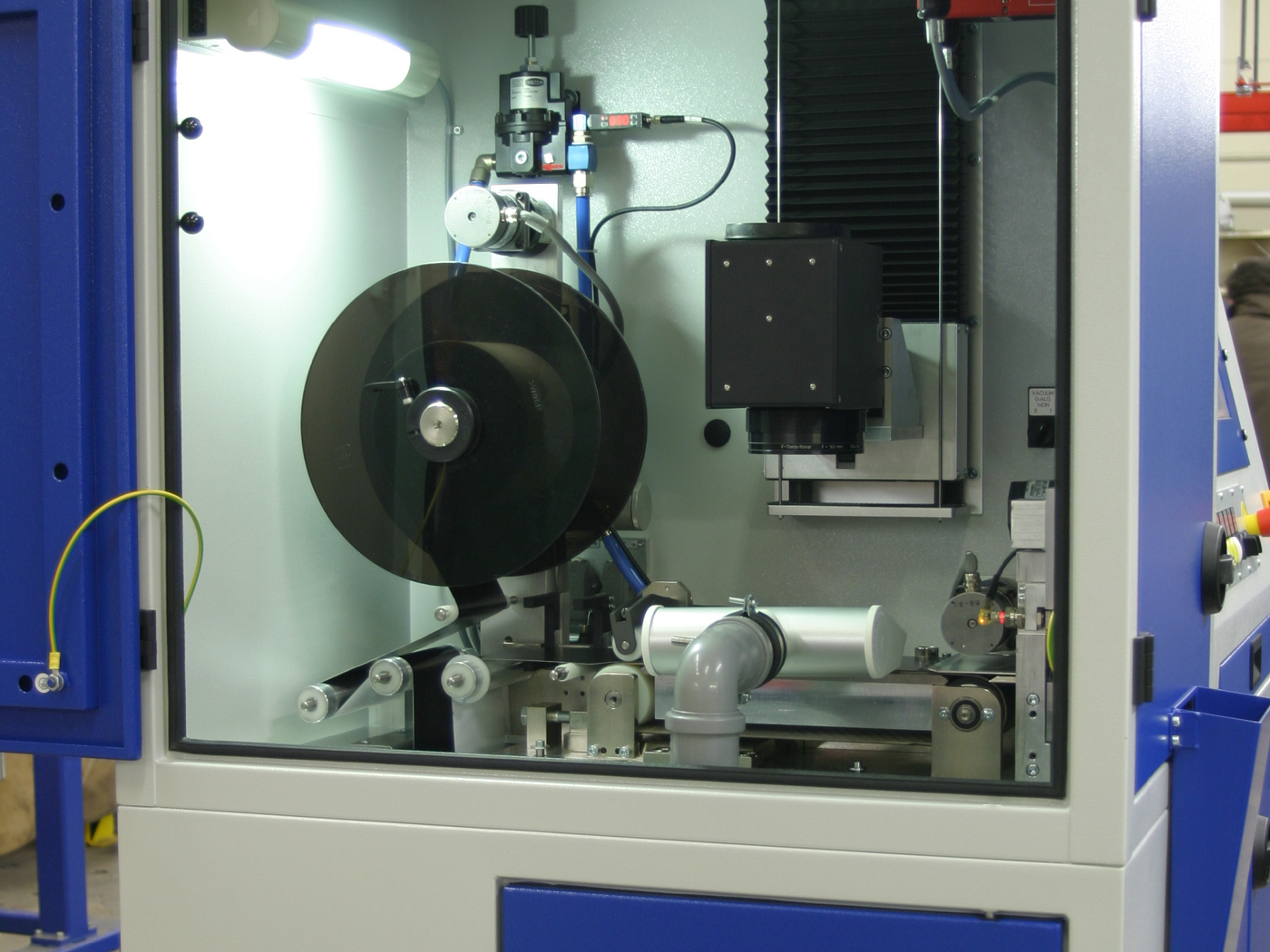
During laser marking, the fiber laser beam is directed onto the foil via a galvanometer mirror system (X and Y axes). A plano-focal lens focuses the beam onto the surface, causing the heat from the laser to create a high-contrast engraving on the film’s top layer. The marked labels are cut off using a motor-driven cutting blade and ejected into the collection bin
Since the laser operates in the invisible spectral range at 1064 nm (near-infrared), the safety enclosure must be electrically interlocked during the marking process. The tray for the signs is mounted outside this safety enclosure. The marking process can be observed through the safety glass pane.
The laser unit is classified as Hazard Class 4 because, due to its high laser power, it could emit potentially hazardous radiation. Only through the use of a special protective enclosure, as well as integrated safety switches and controls, is its operation reduced to Hazard Class 1.
How does laser marking technology work?
Laser marking technology uses a high-energy laser beam to create permanent markings on various materials. The laser beam interacts with the surface of the material, causing a change that becomes visible as a marking. This precise method enables a wide range of applications across various industries, from the automotive sector to medical technology.
What are the advantages of laser marking compared to other marking methods?
The advantages of laser marking include high precision, durable markings, contactless marking and high speed compared to traditional marking methods. These advantages make it ideal for applications where quality and efficiency are crucial, such as product traceability in the food packaging industry.
Which industries use laser marking technology most frequently?
Industries such as the automotive sector, electronics, healthcare, aerospace, jewellery manufacturing andthe packaging industry frequently use laser marking technology for various applications, including part identification, serial numbers, logos and barcodes. These industries rely on laser marking for its high precision and reliability in demanding environments.
What factors influence the quality of laser marking?
The quality of laser marking is influenced by factors such as the laser’s power, the type of material, the surface condition, the focus of the laser beam, the speed and the alignment of the marking process. Careful consideration of these factors is crucial for achieving high-quality markings on various materials.
What safety precautions should be observed when operating a laser marker?
Safety precautions include the use of safety eyeglasses, compliance with laser classification and guidelines, the installation of emergency stop switches, training of operating personnel, and compliance with laser safety regulations. These measures are essential to ensure the safety of operating personnel and the proper functioning of the laser marker.
What are the different types of laser marking processes, and how do they differ?
The various laser marking processes include CO2 laser marking, fibre laser marking, UV laser marking and green laser marking, which differ in terms of their wavelength range, energy efficiency and areas of application. For example, UV laser marking is well suited to delicate materials such as plastics and sensitive electronic components, whilst fibre laser marking is suitable for high-precision and deep markings on metals.
What are the industrial applications of laser markers?
Industrial applications of laser markers include part marking, product tracking, serial numbers, Data Matrix codes, logos, barcodes, batch number identification and the engraving of text or graphics. These applications play a key role in quality assurance, traceability and brand identity across various industries.